
The Walk Is a Room, Not a Hallway
Why a strong scroll interaction from the homepage explorations came back as a dedicated room for five flagship sequences — and why the rest of the archive stays still.
By Tal Heuberger · 6 min read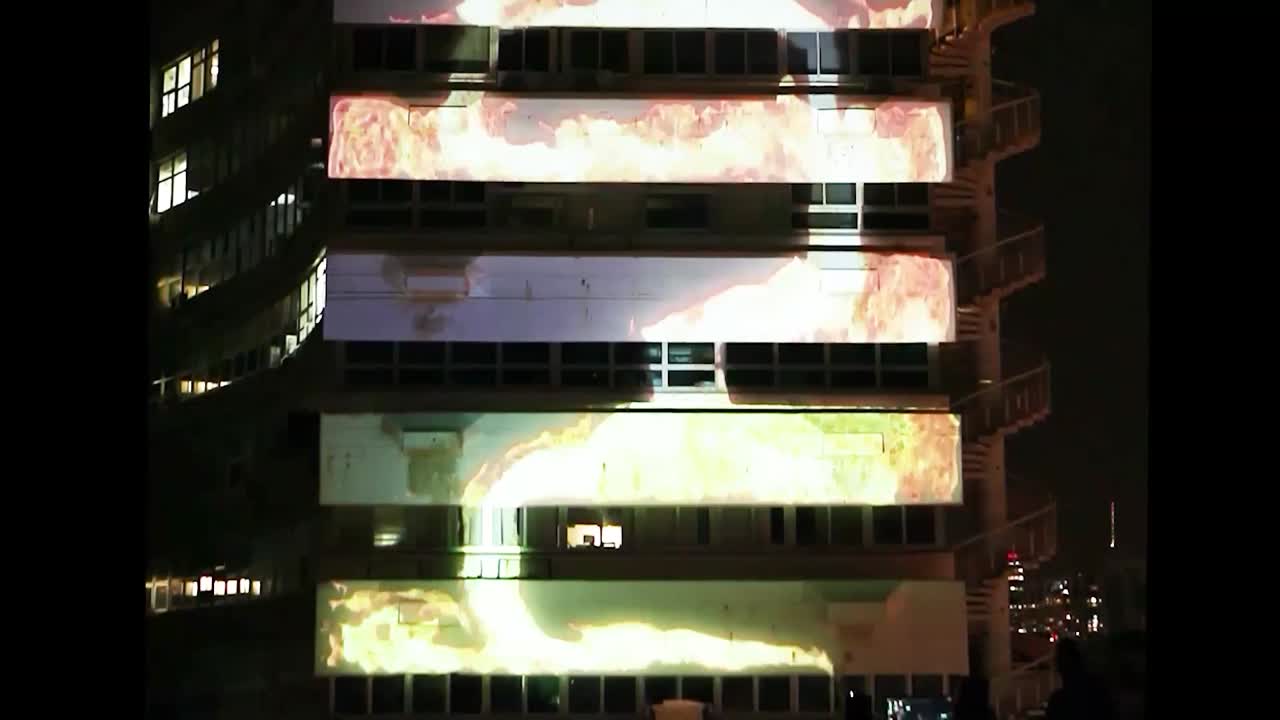
The most persistent idea from the homepage explorations never made it to production. A vertical scroll that becomes a horizontal walk — each project a full bay of light, loops playing as the visitor passes — held up in review, and was still set aside, because the homepage's job is to make the work and the offer legible in seconds, not to stage a corridor.
The mistake would have been forcing a choice: interaction everywhere or nowhere. The ordinary work index stays a fast, filterable list. Case-study pages stay static and compact. The walk is a third thing: five flagship sequences — projection, mapping, AI media, music video — hung in order, walked end to end.
The selection rule matters more than the scroll math.
A project only enters the walk when an editor marks it AND it carries a verified poster and a direct video loop. Thin or private work never gets stretched across a viewport to fill a bay; it stays an honest row in the index. The roster lives in the content layer, so re-hanging the walk is an editorial decision, not a code change.
The other rule: the walk never costs anyone the content. Phones and readers preferring reduced motion get the same five projects as a normal page — full posters, credits, working links, no hijacked scroll. Keyboard focus maps back onto the walk's own travel, so tabbing through panels moves the room the same way scrolling does, and the loops carry a visible pause. An interaction earns its place when the fallback is not a lesser version but simply the same story, told still.
Next · 04